Always Wanted to Learn Music? Why Summer Is the Perfect Time to Start
There is a moment many adults experience quietly.
Sometimes it happens after work late at night. Sometimes during a weekend scrolling session. Sometimes while listening to an old song that suddenly brings back memories from another phase of life.
A thought appears almost unexpectedly:
“I always wanted to learn music.”
For years, that thought often gets pushed aside.
Career first.
Studies first.
Responsibilities first.
Family first.
Life first.
And somewhere along the way, creativity slowly becomes something people admire in others instead of experiencing themselves.
But every summer, something interesting happens psychologically.
People slow down just enough to finally hear themselves again.
This is why summer has quietly become one of the most powerful seasons for people starting music for the very first time.
Not because they suddenly want to become professional musicians.
But because they want to reconnect with something deeply human that modern life slowly buried beneath routine.
And for many beginners, that journey starts with one small decision:
to finally stop postponing music.
Why Summer Changes People Emotionally
Summer affects human behavior more than most people realize.
Schedules become lighter. Schools close temporarily. Families travel less rigidly. Work routines often become slightly more flexible. Even emotionally, people become more open to trying new things.
Psychologically, summer creates what behavioral experts call a “transition window.”
People naturally begin reevaluating habits, routines, hobbies, and goals.
This is why searches for:
- music summer camps
- guitar classes in summer
- hobby classes during vacations
- beginner music lessons
rise sharply every year.
Summer gives people permission to begin again.
And that emotional openness is extremely important for first-time learners.
Most People Do Not Actually Want “Music Theory”
This is one of the biggest misconceptions in traditional music education.
Most beginners are not searching for:
- technical mastery
- rigid certification
- professional-level complexity
What they actually want is much simpler.
They want to feel music.
They want to understand rhythm naturally.
They want confidence.
They want to play songs they love.
And most importantly, they want learning to feel emotionally enjoyable instead of intimidating.
This is exactly why beginner-friendly music summer programs are becoming so popular today.
Why Summer Is the Best Time to Start Learning Music
One of the hardest parts of learning music is not the instrument itself.
It is beginning.
People often delay learning because they believe:
- they are too old
- they are too busy
- they have no musical background
- they will feel embarrassed
Summer breaks this mental resistance.
The season naturally creates emotional space for experimentation.
Without the pressure of “long-term commitment,” people become more willing to explore creativity casually.
Ironically, this relaxed beginning often leads to deeper long-term passion.
Many lifelong musicians started exactly this way:
through one casual summer experience.
Why Beginners Learn Faster in Relaxed Environments
Traditional learning environments often create performance anxiety.
Beginners feel judged.
They overthink mistakes.
They compare themselves to advanced learners.
Summer music camps work differently.
The environment is:
- lighter
- more social
- more exploratory
- less intimidating
This changes how the brain absorbs creativity.
When learners feel emotionally safe, curiosity increases.
And curiosity is one of the strongest accelerators of learning.
This is why many beginners progress surprisingly fast during well-designed summer programs.
Music Is Becoming the New Screen Detox
Parents everywhere are becoming increasingly concerned about excessive screen exposure.
Children today spend enormous amounts of time:
- watching short videos
- gaming
- scrolling endlessly
- consuming passive entertainment
Many adults are also experiencing the same problem.
People feel mentally overstimulated but emotionally undernourished.
Music interrupts that cycle beautifully.
Learning an instrument requires:
- listening
- focus
- coordination
- emotional engagement
- creativity
Unlike passive entertainment, music creates active emotional participation.
This is one reason music camps are now replacing many traditional summer activities.
Why Guitar Is the Most Popular Instrument for Beginners
Among all beginner instruments, the guitar remains the most emotionally accessible.
Why?
Because beginners can start creating recognizable music relatively quickly.
Even simple chord patterns allow students to play:
- Bollywood songs
- acoustic melodies
- devotional music
- soft romantic tracks
- unplugged songs
This early emotional reward keeps motivation alive.
For many learners, the first time they successfully play even part of a familiar song becomes a deeply memorable moment.
And that emotional moment matters far more than technical perfection.
Why Adults Are Quietly Returning to Music Again
One of the most surprising trends globally is the rise of adult hobby learning.
Working professionals, parents, entrepreneurs, and even retired individuals are increasingly joining music programs.
Why?
Because adulthood often becomes emotionally repetitive.
People begin missing creativity without realizing it consciously.
Music offers something unique:
progress without pressure.
Unlike work, music is not about productivity metrics.
It becomes personal.
Many adults describe music learning as the first thing they have done entirely for themselves in years.
That emotional shift can be transformative.
Summer Music Camps for Children Are Changing Too
Modern parents no longer want summer camps that simply “keep children busy.”
Today’s parents increasingly want activities that develop:
- confidence
- communication
- emotional expression
- creativity
- social interaction
Music naturally develops all these qualities.
Children learning music often become:
- more expressive
- more patient
- more attentive
- more confident performing socially
And importantly, music introduces emotional sensitivity very early in life.
This is something many modern parents deeply value.
Why “Know Music Before You Learn Music” Is a Powerful Idea
One reason many people quit music early is because they start with technical pressure before emotional connection.
They learn finger placement before they learn joy.
They memorize theory before they feel rhythm.
But music was never meant to begin with pressure.
It begins with emotional connection.
When beginners first experience:
- rhythm naturally
- listening deeply
- musical curiosity
- emotional response to sound
learning becomes much easier afterward.
This philosophy is quietly reshaping modern beginner music education.
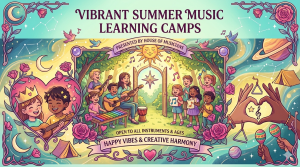
House of Musicians Summer Camp – A Different Kind of Musical Beginning
The House of Musicians 10-Day Musical Summer Camp was designed around one simple belief:
people should fall in love with music before they feel intimidated by learning it.
Instead of overwhelming beginners with complexity, the camp focuses on:
- practical musical understanding
- listening and rhythm
- confidence building
- emotional connection with music
- creativity and exploration
The environment is beginner-friendly, engaging, and welcoming for both children and adults restarting their musical journey.
For many learners, this becomes their very first meaningful connection with music.
👉 Explore the House of Musicians Summer Camp in Lucknow and experience music in a fresh, inspiring way.
Why Creativity Matters More Than Ever Today
Modern life constantly pushes people toward speed and efficiency.
But creativity requires something very different.
Attention.
Emotion.
Presence.
Music teaches people to slow down enough to actually feel things again.
This is one reason music learning often changes people beyond the instrument itself.
Children become more expressive.
Adults become calmer.
Families reconnect emotionally through shared creativity.
And sometimes, all of this begins with one summer decision.
The Biggest Myth About Music Learning
Many people believe music belongs only to naturally talented individuals.
That is not true.
Most successful learners simply begin consistently and stay emotionally connected to the process.
Music is far less about talent than people imagine.
It is about exposure, curiosity, and repetition.
A good beginner environment changes everything.
Why Summer Camps Often Create Lifelong Learners
One beautiful thing about summer music experiences is that they often remove fear from creativity.
Beginners stop asking:
“What if I fail?”
and start asking:
“What if I actually enjoy this?”
That emotional shift is incredibly powerful.
Many lifelong hobbies begin not through pressure, but through positive first experiences.
This is why summer music camps often create lasting musical journeys long after the season ends.
Sometimes Adults and Children Need the Same Thing
At first glance, children and adults seem very different as learners.
But emotionally, both often need the same thing:
permission to begin without fear.
Music gives that permission.
And summer creates the emotional timing for it.
Begin Your Musical Journey This Summer
You do not need previous experience to begin learning music.
You do not need perfect rhythm.
You do not need years of training.
You only need openness to exploration.
Whether you are:
- a parent searching for meaningful summer activities
- an adult restarting creativity
- a teenager exploring self-expression
- someone who always wanted to learn music quietly for years
summer may be the perfect moment to finally begin.
👉 Join the House of Musicians Musical Summer Camp and rediscover the joy of music through creativity, confidence, and connection.
Frequently Asked Questions
Is summer the best time to start learning music?
Yes. Summer naturally creates a more relaxed emotional environment, which helps beginners start without pressure. People often have slightly more flexibility in their schedules during summer, making it easier to practice consistently and stay emotionally engaged with learning.
Can complete beginners join music summer camps?
Absolutely. Most modern music summer camps are designed specifically for beginners. Learners do not need previous musical knowledge or experience. Beginner-friendly environments help students feel comfortable exploring music gradually.
Why are music summer camps becoming popular for children?
Parents increasingly want activities that reduce screen time while building creativity, confidence, and communication skills. Music camps combine emotional development, social interaction, and creative learning in a way many modern extracurricular activities cannot.
Can adults join music summer programs too?
Yes. Adult hobby learning is growing rapidly worldwide. Many working professionals and adults join summer music programs because they finally have emotional space to reconnect with creativity and personal interests.
Which instrument is best for beginners during summer camp?
Guitar and keyboard are among the most beginner-friendly instruments because students can quickly begin playing recognizable melodies and songs. The best instrument ultimately depends on personal musical interest.
Are music camps better than regular classes for beginners?
For many beginners, yes. Music camps often create lighter, more exploratory environments that reduce fear and increase curiosity. This emotional comfort helps many students learn faster initially.
How does music help reduce stress?
Music learning encourages concentration, emotional expression, and creative engagement. Playing an instrument often helps people enter a calm mental state where stress and overthinking temporarily reduce significantly.
What makes the House of Musicians Summer Camp different?
The House of Musicians Summer Camp focuses on helping people emotionally connect with music before becoming overwhelmed by technical complexity. The approach emphasizes creativity, listening, confidence, rhythm, and practical musical understanding.


